Production Web Engineering
Next.js and React work written up from changes I actually shipped — LCP and image tuning, App Router sitemaps, React 19 transition hooks, and edge middleware versus static redirects.
Explore section →
Engineering notes · Free browser tools
Software Engineer
I build multi-LLM platforms in production and run a 40K-follower animation channel. This is where I write down what both jobs taught me.
Written from production work and a content pipeline I run every week — not from product launch pages.
Next.js and React work written up from changes I actually shipped — LCP and image tuning, App Router sitemaps, React 19 transition hooks, and edge middleware versus static redirects.
Explore section →JWT authentication done properly with refresh tokens and HttpOnly cookies, plus a side-by-side account of two agent stacks I built for clients: AWS Bedrock with A2A/MCP, and LangGraph.
Explore section →Small utilities for writers, students, developers, and job seekers. They run in your browser, need no sign-up, and show pricing before any paid action.
Explore section →Recent write-ups from work I actually shipped

A client found me through ChatGPT, not Google. That pushed me to set up GEO properly — llms.txt, schema, FAQ blocks, and crawler access — with the actual code I use on sinhaabhinav.in.
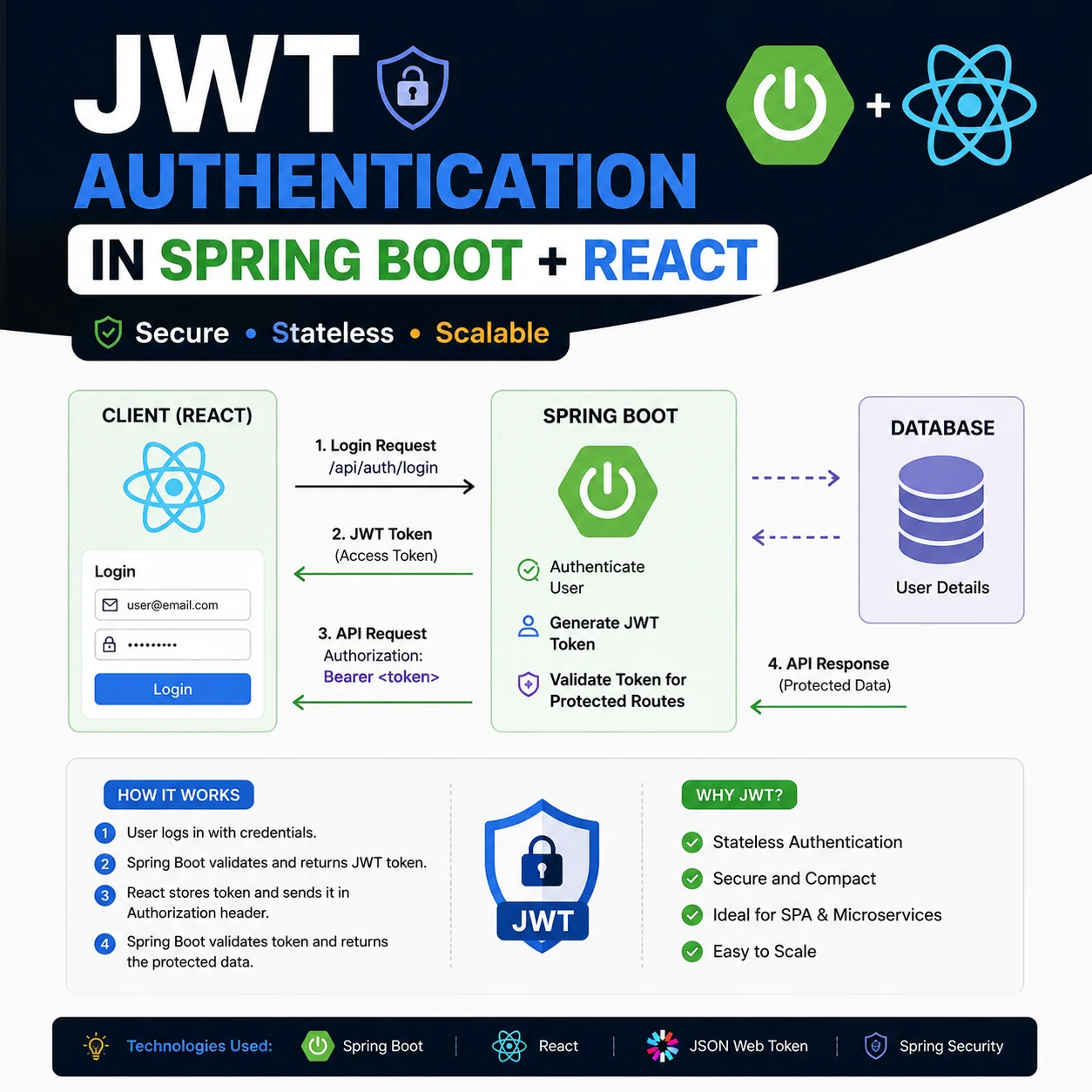
Most JWT tutorials store tokens in localStorage and call it done. Here's the Spring Boot + React setup I actually use — short-lived access tokens, refresh tokens, and HttpOnly cookies.
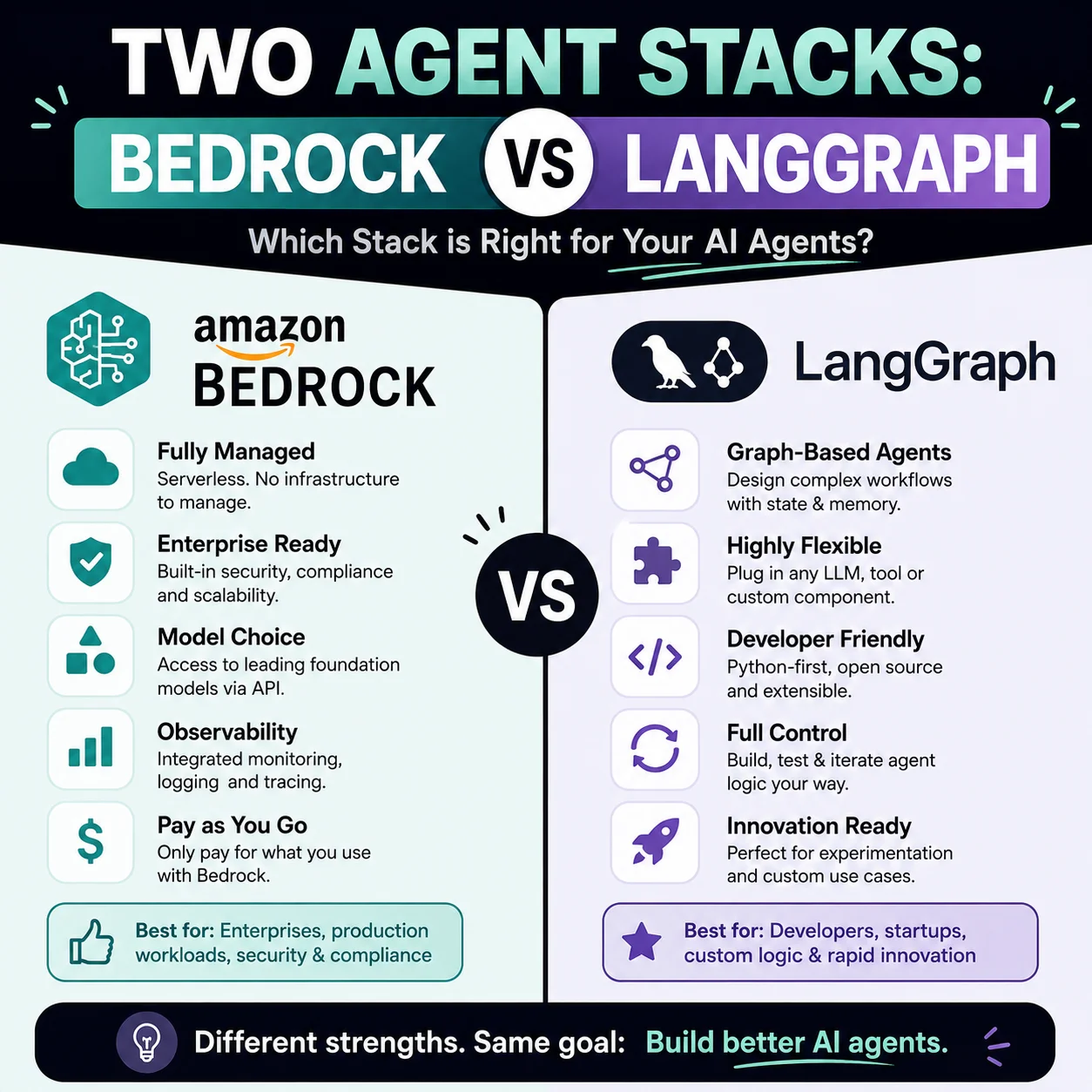
I shipped two agent tools for clients — one on AWS Bedrock with A2A/MCP, one on LangGraph. Same problem, very different debugging and deployment experience.
Lightweight tools for drafts, SEO readiness, resumes, calculations, and video creation. Pricing is shown before any paid action.
Four articles that show what this site is for, depending on what you work on.
Two client agent tools, same problem, two stacks — and how differently they behave when something breaks in production.
The Spring Boot and React auth setup I actually use, instead of the localStorage pattern most JWT tutorials stop at.
How I broke my own LCP with next/image more than once, and the sizes, priority, and placeholder settings that fixed it.
What actually moved my Hindi animation channel to 40K followers — treated as a pipeline, not a weekend hobby.
I work as a senior engineer on a multi-LLM platform that runs in production across nine Indian languages, and outside work I run @9_face_toon, a Hindi animation page with around 40K followers each on Instagram and YouTube. Both of those jobs generate more problems than they do answers, and this site is where I write down the ones that took me longer than they should have.
That means the articles here are narrow on purpose. A post about React 19 transitions exists because a state update behaved strangely at work and I had to understand why. A post about video and voice tools exists because those tools are in the pipeline that ships my own content every week. If I have not run something on real work, I say so in the article rather than manufacturing an opinion about it.
Every post has to clear one bar: it should contain at least one thing you could not get from the product's own landing page. Usually that is the failure — the setting that broke my LCP, the agent framework that was harder to debug in production, the AI-generated code that compiled and was still wrong. Launch coverage and feature lists are already well handled elsewhere, so I skip them.
Where a post uses numbers I measured, it says how they were measured and where the measurement is weak. One developer on one machine is not a controlled benchmark, and articles here are labelled that way instead of implying more rigour than exists. Most posts end with a sources block listing the official pages I checked and the date I checked them.
The browser tools are things I built because I wanted them: a word counter, an AI text detector, a resume gap analyzer, a GEO visibility checker, and a template video maker. They run in your browser, do not require an account, and any paid step shows its price before you commit to it. How each one handles your data is described on its page and in the privacy policy.