

How I Optimized My Site for LLMs (GEO)
A client found me through ChatGPT, not Google. That pushed me to set up GEO properly — llms.txt, schema, FAQ blocks, and crawler access — with the actual code I use on sinhaabhinav.in.
Read article →Long-form notes from production work: Next.js and React performance, Spring Boot and agent stacks, the AI tools I use daily, and what I learned running a 40K-follower animation channel.
I am a senior engineer working on a multi-LLM platform in production, and I also run @9_face_toon, a Hindi animation page with around 40K followers each on Instagram and YouTube. Almost everything here comes out of one of those two jobs. When I write about React 19 transitions, JWT refresh flows, or Vercel middleware, it is because I hit the problem at work and had to solve it. When I write about video or voice tools, it is because they are in the pipeline that ships my own content every week.
That also defines what you will not find here. I do not publish roundups of tools I have not used, and I do not rewrite launch announcements into articles. If a product is interesting but I have not run it on real work, I say so rather than inventing an opinion — you will see that stated explicitly inside several posts where I have only tested something briefly.
A post starts when something takes me longer than it should have. I write down what broke, what I tried, and what finally worked, then check my claims against official documentation, release notes, and pricing pages before publishing. Where a post relies on numbers I measured myself, I say how I measured them and where that measurement is weak — a single developer on one machine is not a controlled benchmark, and articles here label it that way rather than implying more rigour than exists.
I use AI assistance the same way most developers do: for outlining, tidying grammar, and pressure-testing an argument. The examples, the mistakes, the code, and the judgments are mine, and nothing is published as a raw generated draft. Where a claim can be verified, most articles carry a sources-and-verification block at the end listing the primary pages I checked and the date I checked them.
Full testing, sourcing, AI-assistance, disclosure, and corrections standards are in the editorial policy. If you find something wrong in a post, tell me — corrections get made in place with a note, not quietly deleted.
A client found me through ChatGPT, not Google. That pushed me to set up GEO properly — llms.txt, schema, FAQ blocks, and crawler access — with the actual code I use on sinhaabhinav.in.
Read article →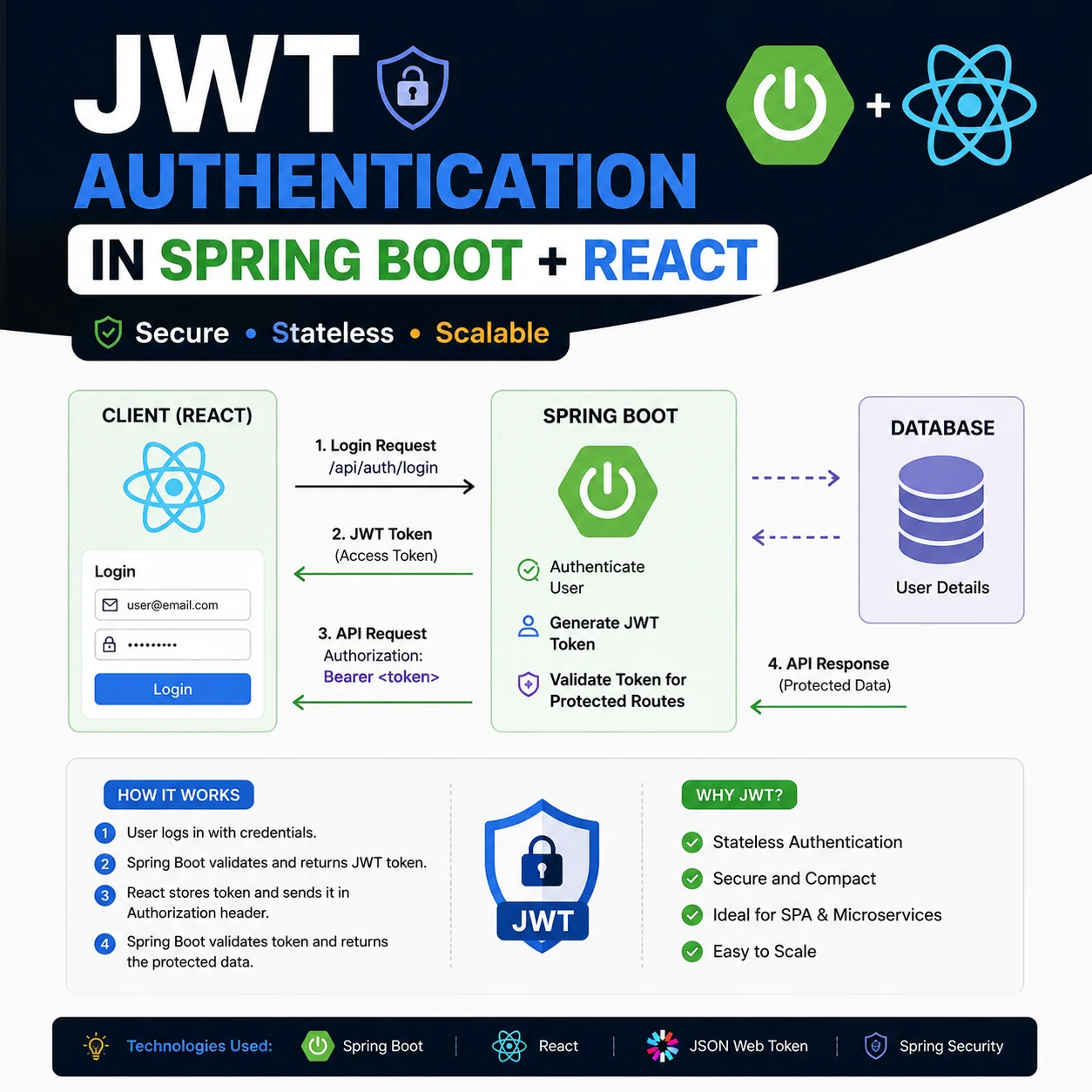
Most JWT tutorials store tokens in localStorage and call it done. Here's the Spring Boot + React setup I actually use — short-lived access tokens, refresh tokens, and HttpOnly cookies.
Read article →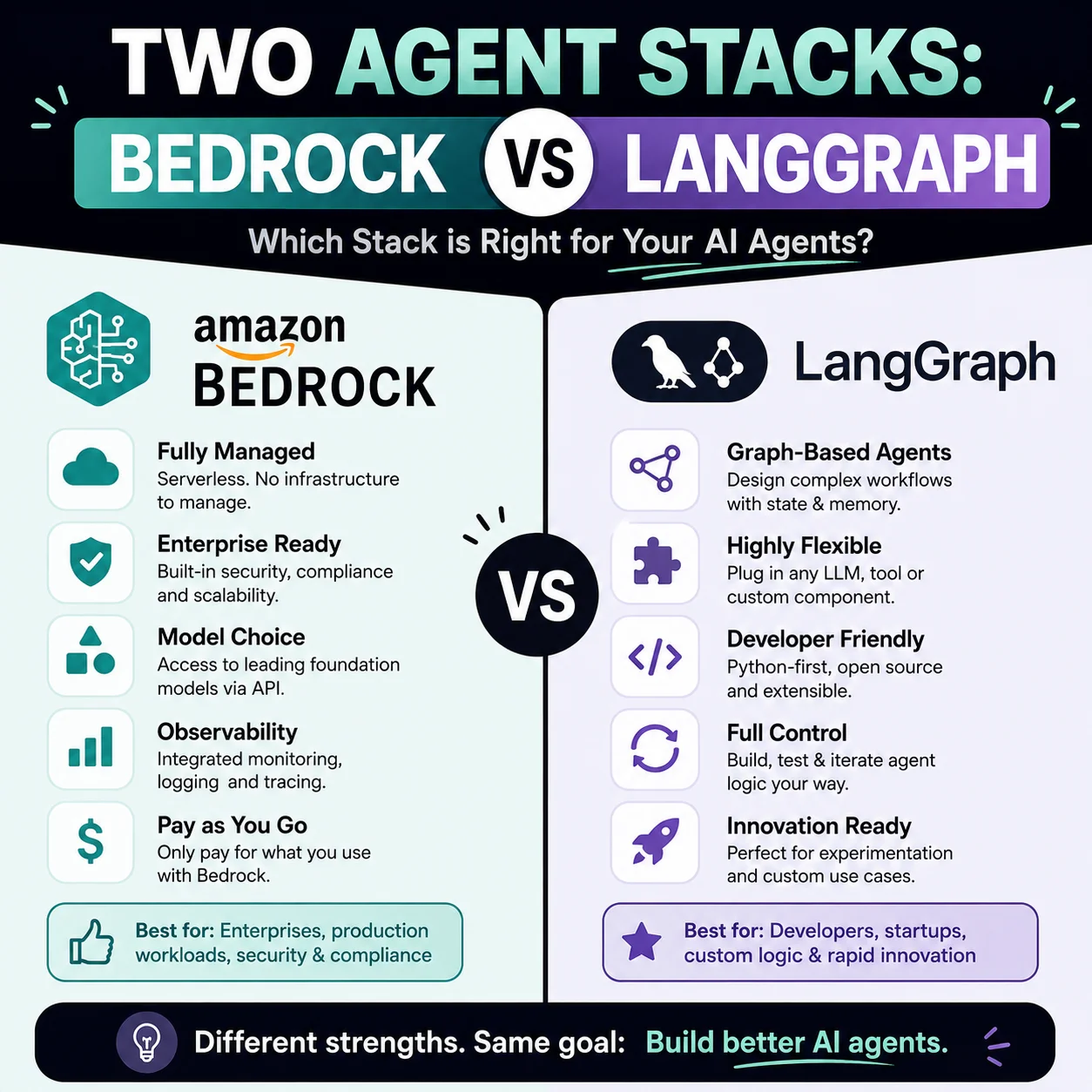
I shipped two agent tools for clients — one on AWS Bedrock with A2A/MCP, one on LangGraph. Same problem, very different debugging and deployment experience.
Read article →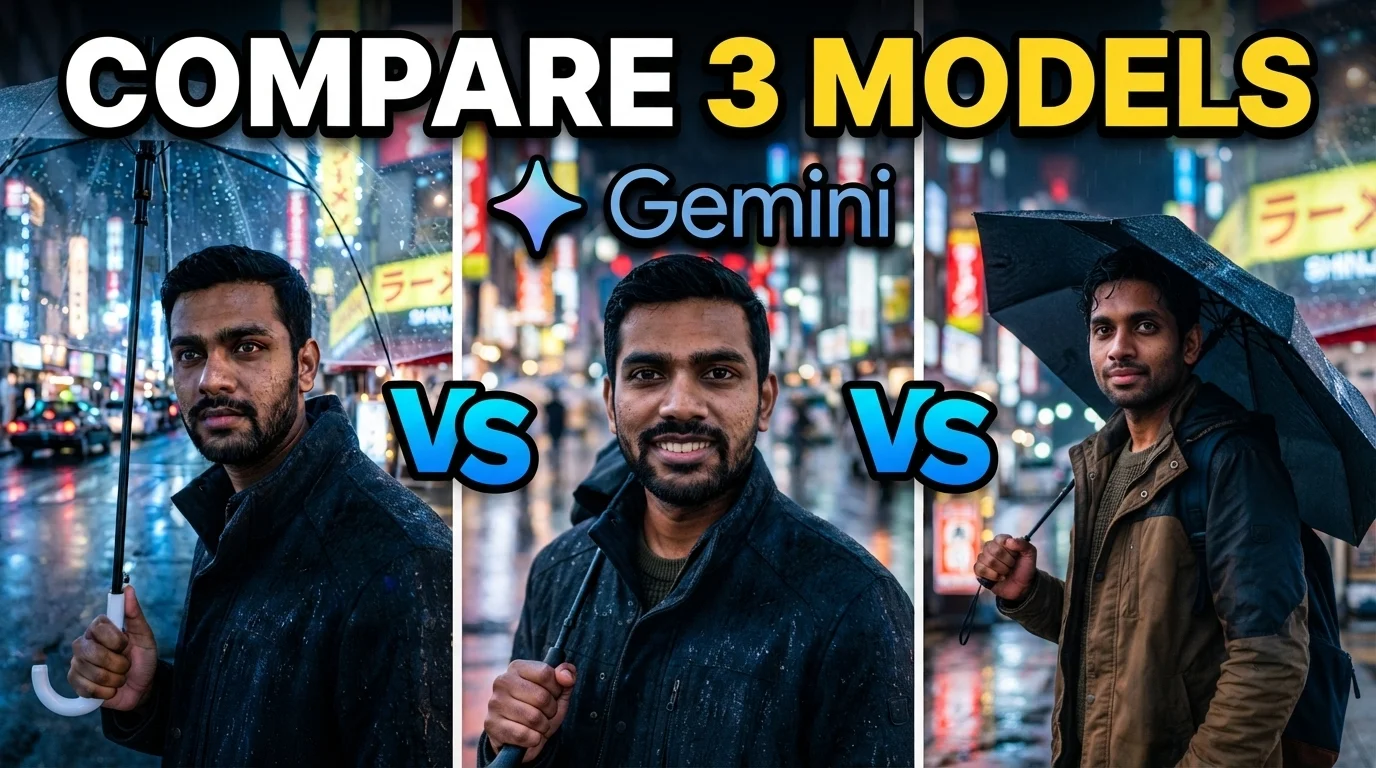
Google launched Nano Banana 2 Lite as the fast, cheap Gemini image model. Here’s my practical take on where it fits, and how it compares with Nano Banana 2 and Nano Banana Pro for real creator and client work.
Read article →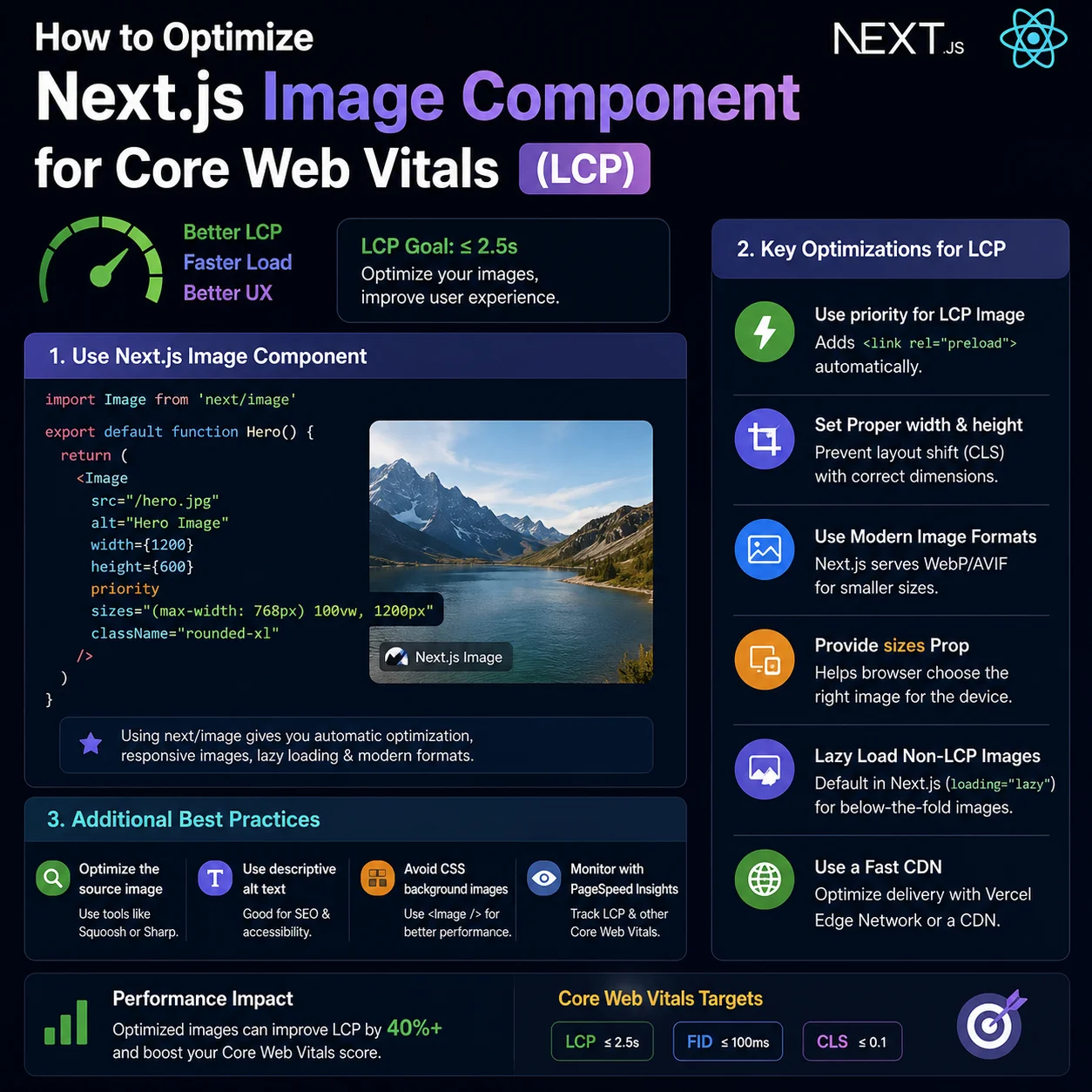
I've misconfigured `next/image` enough times to know it can wreck LCP. Here's what fixed my hero images — sizes, priority, aspect ratio, and blur placeholders.
Read article →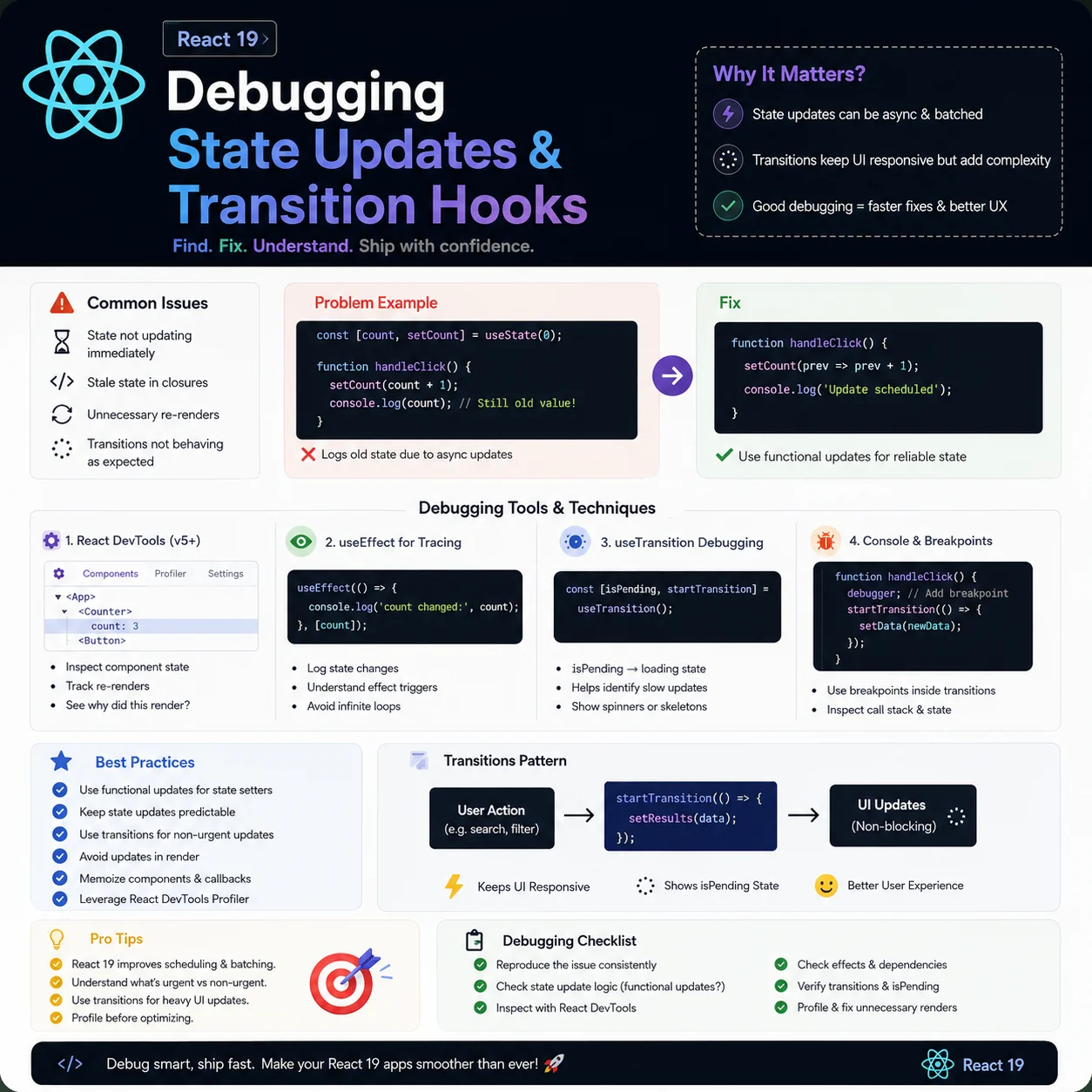
React 19 transitions finally made sense to me once I stopped treating them like magic. Practical notes on useTransition, useActionState, useOptimistic, and the bugs I hit.
Read article →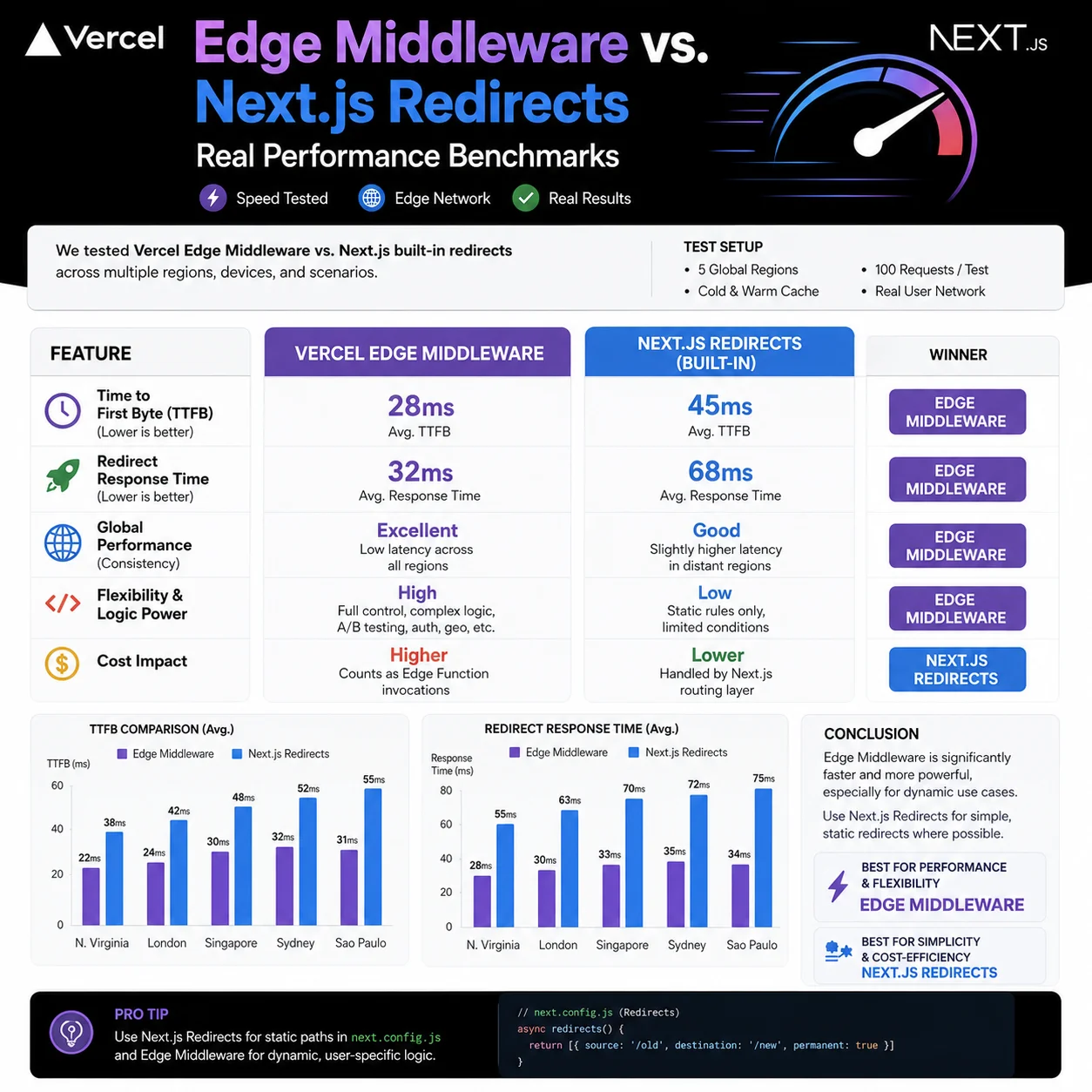
I benchmarked Next.js config redirects against Vercel Edge Middleware on real traffic patterns. Static redirects are faster — but middleware still wins for geo, cookies, and dynamic routing.
Read article →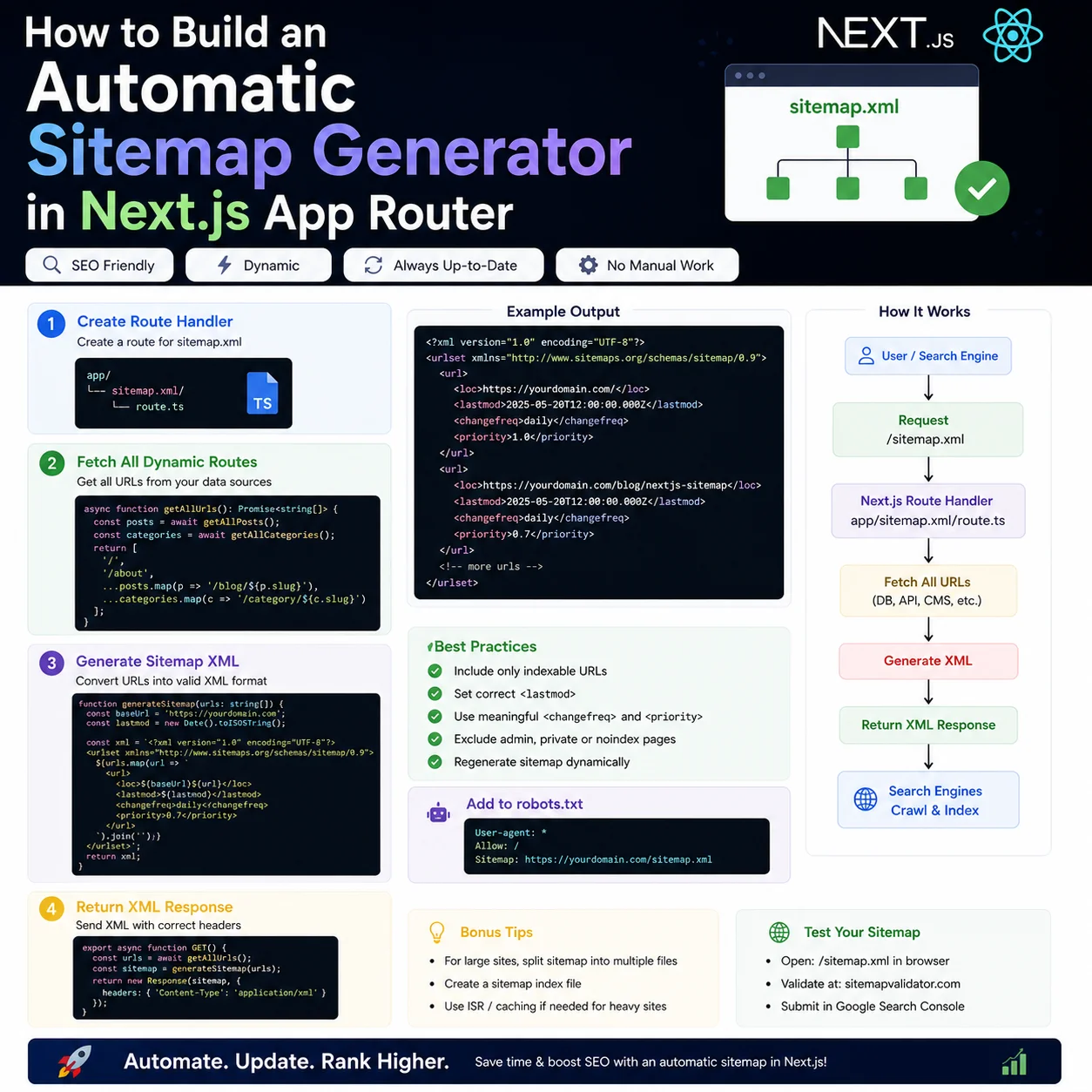
I got tired of manually updating sitemap.xml every time I published a post. Here's the App Router `sitemap.js` setup I use now, including dynamic blog URLs and static pre-rendering.
Read article →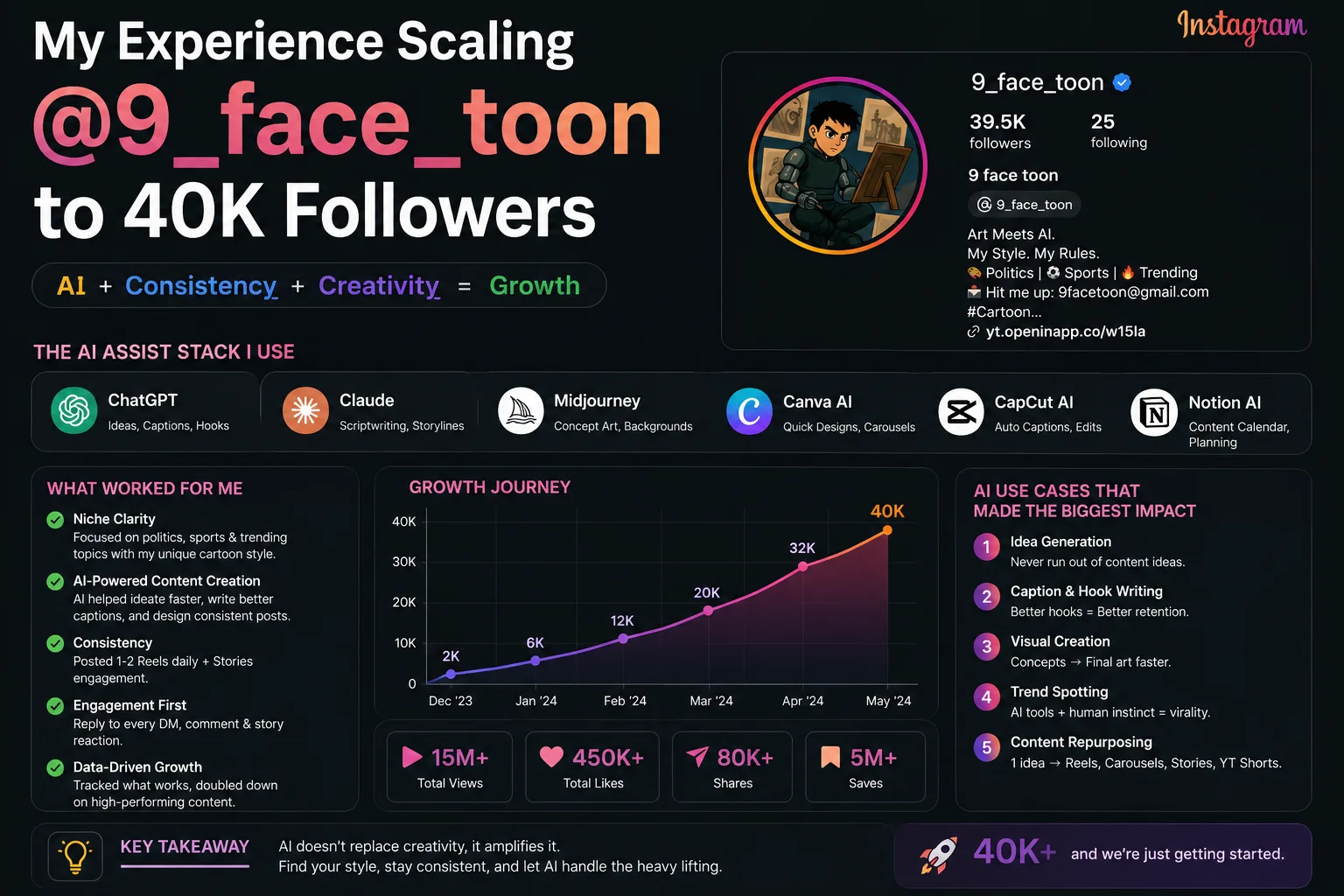
I scaled my Hindi animation page to 40K followers using AI-assisted video pipelines. Here is an honest review of CapCut editing, ElevenLabs voice cloning, and content consistency strategies.
Read article →
I keep both open every day, and I spent five straight days with Gemini 2.5 Pro as my only AI. Where each one wins for writing, research, and coding — plus the one thing about thinking models that annoyed me daily.
Read article →
Cursor and Windsurf are both VS Code forks with AI built in. I used Cursor daily for two months, then ran Windsurf on a live MERN project. Where each one wins, and why the free tier gap matters if you're paying in rupees.
Read article →
Jan runs open-source models entirely on your own machine — no cloud, no subscription, nothing leaving your laptop. Here's the setup, the hardware limits I hit, and the specific situations where I choose it over Claude.
Read article →
Two free tools cover almost all my research: Perplexity when the answer lives on the open web, NotebookLM when it lives in documents I already have. The workflow, the prompts that work, and where each one quietly fails.
Read article →
I run @9_face_toon, a Hindi animation page with around 40K followers each on Instagram and YouTube. Here are the AI video tools I genuinely use day to day, the ones I have only tested briefly, and what they each fit into a real production workflow.
Read article →
I work as a senior engineer at an AI company and also run a Hindi animation page with brand-deal earnings. Five income paths I have either lived or watched up close, plus what to actually charge when you are starting out in India.
Read article →
Most "free AI tools" lists are 72-hour trials and watermarked output. These are the ones I still open after months, plus the student setup — GitHub Student Pack, NotebookLM, Cursor — that covers studying and coding for ₹0.
Read article →
Generic prompts give generic results. These are the specific Claude prompts I use daily for debugging, refactoring, reading messy code, and getting answers I can actually use.
Read article →
I work on a multi-LLM platform in production that uses Claude, the OpenAI GPT family, and Gemini across nine Indian languages. Here is how I actually split coding work between them, and which model wins for which job inside a real codebase.
Read article →
Free domains like .tk look tempting when you're starting out. Here's what actually happens when you use them — the SEO hit, the trust problem, and why paying ~₹900/year is almost always the right call.
Read article →
I manually dragged files into Hostinger's file manager for way too long. Turns out they support GitHub auto-deploy and it takes about 10 minutes. Here's the exact setup, step by step.
Read article →